Liberty Cap Distribution in the UK
Liberty Caps (Psilocybe semilanceata) are among the best-known wild fungi in British mycology. Recognised for their distinctive appearance and association with grassland ecosystems, they are a familiar subject in discussions about UK fungal biodiversity and species distribution. Their recorded presence across Britain reflects a combination of environmental conditions, habitat characteristics and land management practices. However, understanding where a species occurs is not quite as straightforward as looking at a distribution map. Maps are built from observations submitted by recorders, researchers and naturalists, rather than a complete survey of every habitat. This means the distribution of recorded sightings does not necessarily represent the full geographical range of a species. Our guide to UK magic mushroom maps explains how these records can be interpreted and what they reveal about fungal distribution.
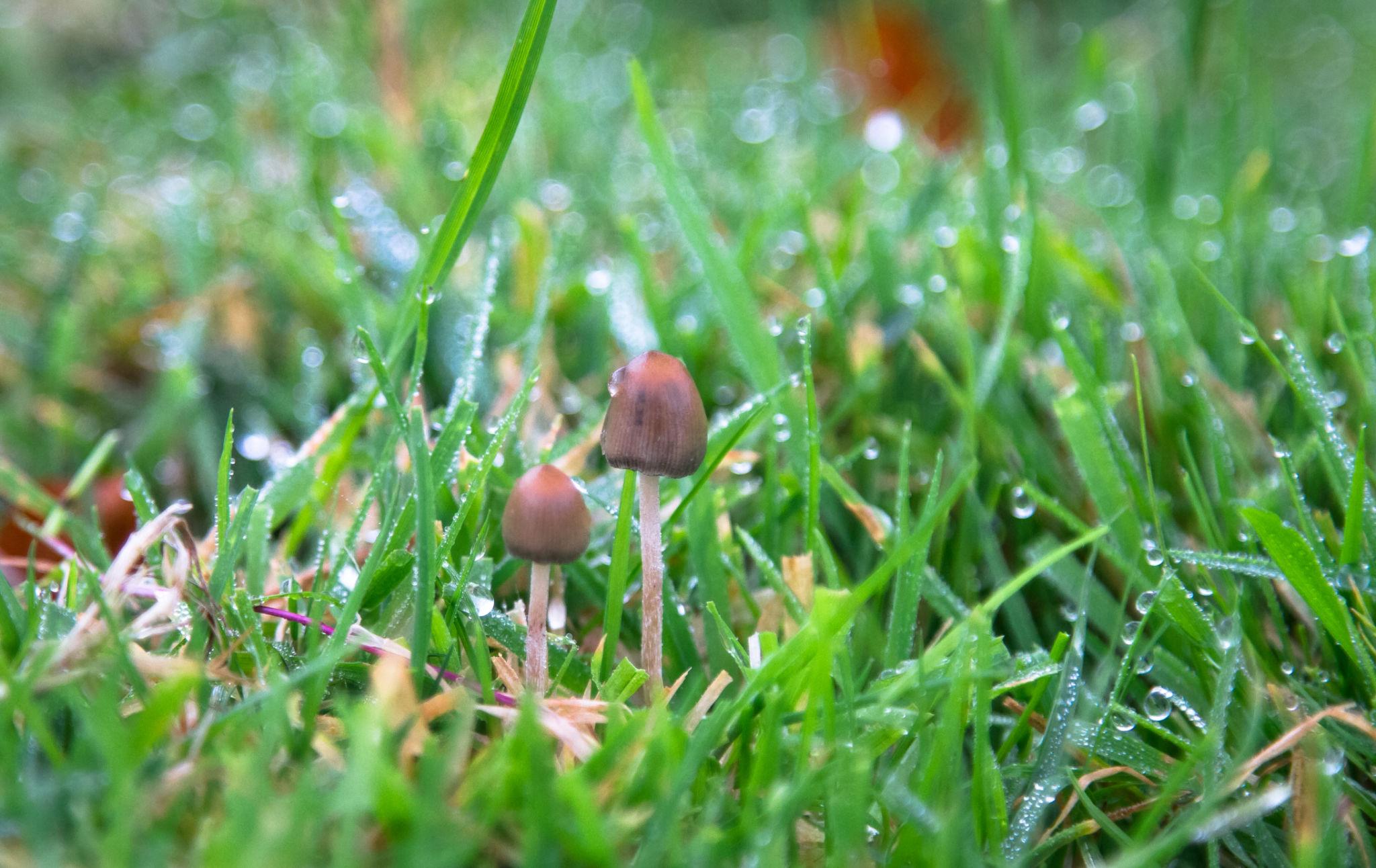
Where Are Liberty Caps Found in the UK?
Psilocybe semilanceata has a broad distribution across Britain and is recorded in England, Scotland and Wales. Its presence is closely associated with grassland ecosystems, although the number of documented observations varies between regions. These differences reflect a combination of environmental conditions, habitat availability and the amount of biological recording carried out in each area.
Liberty Cap distribution across England
In England, Liberty Caps are represented in fungal recording databases across a range of geographical and environmental settings. Records include both upland and lowland areas, reflecting the species’ association with different types of grassland.
The distribution of observations is not necessarily consistent across the country. Differences in altitude, climate, soil characteristics and land management contribute to the variation in fungal communities found in different parts of England. Upland environments, for example, support distinctive grassland habitats, while lowland landscapes contain a mixture of agricultural grassland, managed pasture and areas of semi-natural vegetation.
The availability and quality of biological records also influence how this distribution appears on maps. Areas with active local recording groups or a long history of mycological research may have more documented observations than areas where fewer people regularly record fungi.
Liberty Caps in Scotland and Wales
Scotland and Wales contain extensive areas of upland and rural grassland, contributing to the wider geographical distribution of Psilocybe semilanceata in Britain. Their varied landscapes include acidic grasslands, moorland-associated vegetation and other semi-natural habitats that support diverse fungal communities.
Climate is another important consideration. Regional differences in rainfall, temperature and seasonal conditions influence grassland ecosystems and the wider fungal communities associated with them. However, climate alone does not determine whether a particular fungal species will be present. Soil characteristics, vegetation and historical land management also contribute to habitat suitability.
Are Liberty Caps widespread throughout the UK?
Liberty Caps have a broad British distribution, but this does not mean they occur uniformly throughout the country. Their documented presence varies according to habitat conditions and geographical recording patterns.
It is also important to distinguish between a species being absent from an area and simply having no confirmed records there. A lack of observations may reflect limited recording activity rather than the absence of suitable habitat or the species itself.
For this reason, UK distribution maps should be interpreted as representations of documented fungal observations, rather than definitive boundaries showing exactly where a species can or cannot occur.
What Influences the Distribution of Liberty Caps?
The geographical distribution of Psilocybe semilanceata is closely connected to grassland ecology. Like other fungi, it depends on particular environmental conditions and sources of organic material to maintain its growth and development. Understanding these relationships helps explain why its recorded distribution varies across different British landscapes.
Grassland ecosystems and fungal associations
Liberty Caps are primarily associated with grassland environments, particularly established grasslands containing a diverse range of vegetation. Unlike many familiar mushroom-forming fungi that grow directly on decaying wood, Psilocybe semilanceata is generally described as a saprotrophic species associated with decomposing plant material.
Research has investigated its relationship with grass roots and the surrounding soil environment. A study published in Mycological Research, titled Colonization by Psilocybe semilanceata of roots of grassland flora, examined interactions between the fungus and the roots of several grassland plant species. This work provides an insight into the ecological relationships that can occur between soil fungi and vegetation.
It is important to distinguish this association from mycorrhizal relationships. Mycorrhizal fungi form mutually beneficial partnerships with living plant roots, exchanging nutrients with their host plants. Psilocybe semilanceata is not generally classified as a mycorrhizal fungus. Its association with grassland is instead understood in the context of decomposing organic material and its surrounding soil environment.
This also distinguishes it from fungi that grow directly on animal dung or decaying timber. Although dung-producing grazing animals may influence grassland ecosystems through nutrient inputs, the presence of dung should not be confused with the fungus using dung as its direct food source.
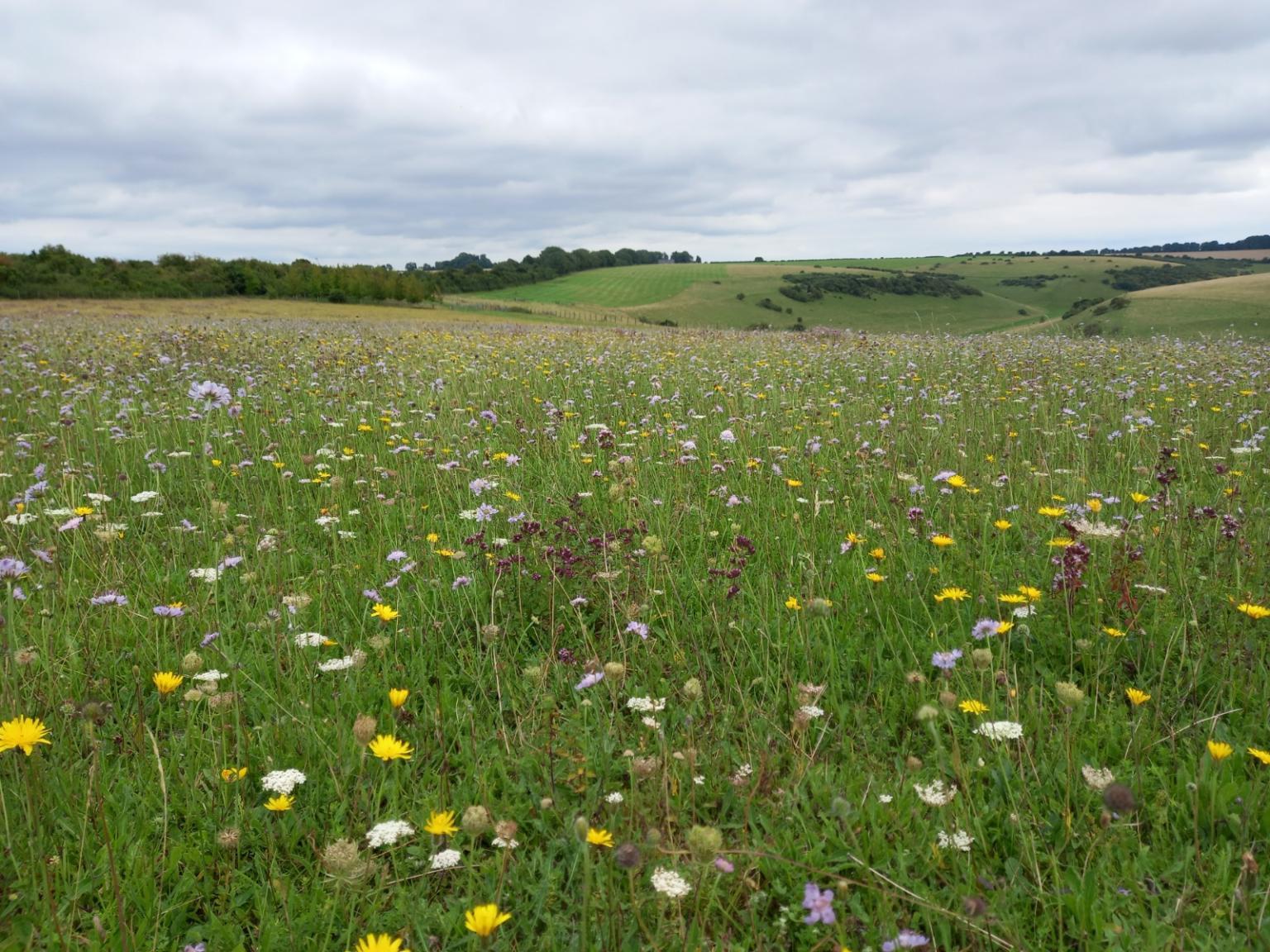
Soil conditions and environmental variation
Soil characteristics are an important part of grassland ecology and influence which fungal species can establish and persist within an ecosystem.
Factors such as soil pH, nutrient availability, moisture retention and organic matter content all contribute to the composition of fungal communities. These characteristics vary considerably across Britain, reflecting differences in underlying geology, climate, vegetation and historical land use.
Acidic grassland is frequently associated with Psilocybe semilanceata in British fungal records, although observations are not restricted to a single grassland classification. The Northern Ireland Fungus Group’s species database, for example, includes records associated with both acidic and other grassland types.
Moisture is another important environmental factor. Fungi depend on suitable levels of water for metabolic activity and the development of reproductive structures. However, the relationship between soil moisture and fungal distribution is complex, with excessive or insufficient moisture potentially influencing different species in different ways.
These factors demonstrate why fungal distribution cannot be explained by a single soil characteristic or environmental measurement. It is the interaction between several ecological conditions that shapes the composition of individual habitats.
The influence of grazing and land management
Agricultural practices and land management have a considerable influence on grassland biodiversity. Grazing, fertiliser application, drainage, reseeding and changes in vegetation management can all alter the ecological characteristics of grassland environments.
Grazing animals influence grassland structure through feeding and trampling, while also contributing organic matter and nutrients to the soil. The effects depend on grazing intensity, livestock type, soil conditions and the wider management of the land.
Conversely, intensive agricultural improvement can change the composition of grassland vegetation and soil conditions. Frequent reseeding, high fertiliser inputs and conversion of semi-natural grassland can reduce plant diversity and alter the fungal communities associated with these habitats.
The conservation of species-rich grasslands is therefore important for maintaining fungal biodiversity. These ecosystems support a variety of fungi, including species that are sensitive to changes in nutrient levels and land management.
Research into grassland fungi helps demonstrate that biodiversity is not limited to the plants and animals visible above ground. Fungi are an important component of terrestrial ecosystems, and changes to their habitats can have wider implications for soil ecology and biodiversity.
When Are Liberty Caps Recorded in the UK?
Fungal observations are strongly influenced by seasonal conditions. Although fungi exist throughout the year, the appearance of their reproductive structures, commonly known as fruiting bodies, varies according to temperature, moisture and other environmental factors.
For Psilocybe semilanceata, UK biological records show a particularly strong concentration of observations during autumn. This seasonal pattern is useful when interpreting distribution databases, as the number of records collected during different months can vary considerably.
Seasonal variation in fungal observations
British records of Psilocybe semilanceata are concentrated predominantly in the autumn months, particularly September, October and November. This reflects the seasonal nature of fungal fruiting and the conditions associated with the development of reproductive structures.
The Northern Ireland Fungus Group’s Liberty Cap species records provide an example of this pattern. Its database lists considerably more October and November observations than records from most other months. The dataset also includes some observations outside the main autumn period, demonstrating that recorded activity is not confined to a single part of the year.
It is worth remembering that these figures represent submitted observations rather than a complete measurement of fungal activity. Recording habits, survey timing and the availability of observers can all influence the seasonal distribution of records.
How weather influences fruiting
Weather conditions play an important role in fungal fruiting. Temperature, rainfall, humidity and soil moisture all influence the environmental conditions in which fungi develop.
Seasonal rainfall can affect soil moisture levels, while temperature influences fungal metabolism and the rate of biological activity. These factors interact with local habitat characteristics, meaning that seasonal patterns can differ between regions and from one year to another.
Annual weather variation also makes historical observations difficult to interpret as a prediction of present conditions. A year with different rainfall or temperature patterns may produce a different distribution of recorded fruiting activity, even where the underlying geographical range of a species remains broadly unchanged.
For this reason, long-term fungal records are most useful when considered alongside environmental information and consistent recording methods. A change in the number of observations during a particular year does not necessarily indicate a corresponding change in the overall population or geographical distribution of a species.
Understanding UK Liberty Cap Distribution Maps
Distribution maps are an important resource for studying fungal biodiversity. They bring together individual observations to provide a geographical picture of where species have been documented. For fungi such as Psilocybe semilanceata, these records help researchers, naturalists and conservation organisations understand patterns of occurrence across Britain.
However, a distribution map is only as comprehensive as the underlying information. Understanding how biological records are collected, verified and presented is essential when interpreting the geographical distribution of any wild fungus.
How fungal distribution records are collected
Fungal distribution databases rely on observations submitted by a variety of contributors, including amateur naturalists, professional mycologists, local recording groups and researchers. Many records are collected through organised surveys and local fungal recording activities, while others come from individual observations and historical publications.
The British Mycological Society (BMS) plays an important role in coordinating fungal recording across Britain and Ireland. Its fungal recording resources explain how observations contribute to wider biodiversity research and conservation work.
Several pieces of information can help establish the scientific value of an individual record:
- Species identification: Accurate identification is essential because incorrectly identified specimens can introduce errors into distribution databases.
- Scientific names: Consistent use of accepted scientific names helps ensure observations are attributed to the correct species, even when common names or historical classifications differ.
- Recording dates: Dates provide information about when an observation was made and allow researchers to investigate seasonal patterns and changes over time.
- Geographical references: Grid references or geographical coordinates help establish where an observation was recorded and allow records to be represented on distribution maps.
- Verification: Photographs, specimens and expert confirmation can help assess the reliability of an identification, particularly when records are unusual or scientifically significant.
The quality of these records matters because they may be used in ecological research, conservation assessments and studies of changing biodiversity.
What do distribution maps actually show?
A UK Liberty Cap distribution map represents the geographical locations associated with documented observations of Psilocybe semilanceata. It does not necessarily show every area in which the species exists, nor does it provide a direct measurement of population size or abundance.
One important limitation is recording effort. Some parts of Britain have established mycological societies and active biological recording networks, while other areas may have considerably fewer contributors. This can create apparent differences in distribution that partly reflect the availability of observations rather than ecological differences alone.
Historical records introduce another consideration. An observation made several decades ago confirms that a species was recorded at a particular time, but it does not necessarily establish that the species is still present there today. Equally, an absence of recent observations does not automatically mean that a species has disappeared.
The reliability of individual records can also vary. Some observations may have been supported by detailed identification work, while others may contain limited information. Changes in scientific classification and improvements in identification methods can also affect how older records are interpreted.
Consequently, distribution maps are best understood as evidence of documented occurrence. They provide a valuable starting point for studying fungal biodiversity, but should not be treated as definitive inventories of every species present within a particular geographical area.
Where can UK fungal distribution data be accessed?
Several established organisations and databases provide access to British fungal records and wider biodiversity information. These resources are useful for anyone interested in understanding fungal taxonomy, geographical distribution and the scientific study of wild fungi.
The National Biodiversity Network Atlas provides access to biological records from across the UK. Its species pages include distribution information and tools for examining recorded observations. The platform brings together data from numerous contributing organisations and is a useful starting point for researching the documented geographical distribution of British species.
The British Mycological Society supports the study of fungi through research, education, publications and biological recording. Its Fungal Records Database of Britain and Ireland (FRDBI) brings together historical and modern observations, providing an extensive resource for understanding fungal distribution.
The society also works with local fungal groups and recording networks to improve the quality and coverage of biological records.
The National Biodiversity Network supports the collection, management and sharing of biodiversity information across the UK. Its wider network connects organisations and individuals involved in biological recording, helping make species information more accessible for research, education and conservation.
For a broader introduction to how these resources can be used to understand geographical patterns in British fungi, see our guide to UK Magic Mushroom Maps.
Has the Distribution of Liberty Caps Changed Over Time?
The geographical distribution of fungi is not necessarily static. Changes in climate, land use, habitat quality and recording practices can all influence where species are documented over time. For Psilocybe semilanceata, historical and modern observations provide a useful source of information about its recorded presence in Britain. However, establishing whether its overall distribution has expanded or contracted requires careful comparison of records collected across different periods.
Historical and modern fungal records
Fungal recording in Britain has developed considerably over the past century. Earlier observations were often documented in field notebooks, local natural history publications and records maintained by individual mycological societies. Although these sources remain valuable, historical records can vary in their geographical precision, identification standards and level of supporting information.
Modern biological recording benefits from more consistent recording systems, digital databases, geographical referencing and the availability of photographic evidence. Platforms such as the National Biodiversity Network Atlas make it easier to bring together observations from different organisations and compare records across geographical areas.
However, differences between historical and modern recording methods need to be considered when interpreting long-term distribution patterns.
The influence of changing land use
Changes to the British landscape can influence the distribution and diversity of grassland fungi. Agricultural intensification, fertiliser application, drainage, reseeding and the conversion of semi-natural grasslands can all alter soil conditions and vegetation communities.
These changes may affect fungi associated with grassland ecosystems, although the response varies between species and habitats. The loss or deterioration of species-rich grassland is a recognised biodiversity concern, with implications extending beyond plants to the wider communities of organisms that depend on these environments.
Can distribution records reveal long-term ecological changes?
Repeated biological observations can help researchers investigate changes in species distribution, particularly when records are collected consistently over extended periods. However, changes in recording effort, identification methods and geographical coverage can complicate comparisons.
For Psilocybe semilanceata, historical records provide evidence of documented occurrence, but they should not be interpreted as proof of a national increase or decline without supporting research. Reliable conclusions require comparable datasets, consistent identification standards and consideration of changes in habitat and recording activity.
Liberty Caps and UK Grassland Biodiversity
The study of Psilocybe semilanceata also provides an opportunity to consider the wider ecological importance of fungi in British grasslands. Fungi are an essential component of terrestrial ecosystems, contributing to the breakdown of organic material, nutrient cycling and the biological processes that maintain soil function. Their diversity can also provide useful information about the condition and ecological characteristics of different habitats.
The ecological importance of grassland fungi
Grassland fungi perform a variety of ecological functions. Saprotrophic species break down dead organic material, helping release nutrients that can be reused by plants and other organisms. Other fungi form mycorrhizal associations with plant roots, supporting nutrient exchange and influencing vegetation communities.
Although these ecological roles differ between fungal groups, together they contribute to the functioning of grassland soils. Fungal communities are also influenced by vegetation, soil chemistry, moisture and land management, making them an important part of wider ecological research.
Why species-rich grasslands matter
Species-rich grasslands support diverse communities of plants, fungi and invertebrates. Unlike intensively improved agricultural grasslands, these habitats often retain a more varied vegetation structure and a wider range of soil conditions.
Traditional management practices, where appropriate to the habitat, can help maintain this diversity. Conversely, agricultural improvement, excessive nutrient inputs and the loss of semi-natural vegetation can change the ecological characteristics of grassland environments.
The conservation of these habitats is therefore important for more than their visible plant and animal life. Their fungal communities also contribute to the overall biodiversity and ecological function of the landscape.
Fungal recording and conservation
Documenting fungal diversity helps researchers build a better understanding of the organisms present within different habitats. Repeated observations can contribute to assessments of biodiversity, identify changes in species occurrence and help establish priorities for further ecological research.
Organisations such as the British Mycological Society and the National Biodiversity Network support the collection and sharing of biological information, helping make fungal records more accessible for research and conservation.
Although a single species record cannot establish the overall condition of a habitat, accumulated observations can provide valuable evidence when considered alongside other ecological information. Studying fungi such as Psilocybe semilanceata therefore contributes to a broader understanding of British grassland biodiversity.
UK Law and Liberty Caps
Understanding the legal position of Liberty Caps is important when discussing their distribution and occurrence in the UK. Although Psilocybe semilanceata is a naturally occurring wild fungus, it contains psilocybin and psilocin, substances controlled under UK drug legislation.
Under the Misuse of Drugs Act 1971, fungi containing psilocin or an ester of psilocin are controlled as Class A drugs. This includes Liberty Caps, as well as other fungi containing these substances. The legislation was amended by section 21 of the Drugs Act 2005, which specifically brought fungi containing psilocin or its specified esters within the controlled drug provisions. Both fresh and dried magic mushrooms are covered by the legislation.
The legal restrictions extend to activities including possession and supply, while the legislation also prohibits the unauthorised production of controlled drugs. The precise legal position depends on the circumstances, and the fact that a fungus grows naturally does not mean that collecting or retaining it is automatically lawful.
It is also important to distinguish between accessing publicly available scientific information and possessing a controlled substance. Viewing distribution maps, researching historical fungal records and studying published mycological information are different activities from collecting or cultivating controlled fungi.
For further information, consult the Misuse of Drugs Act 1971 and the Drugs Act 2005. The UK government’s guidance on drug possession and supply penalties also provides an overview of the relevant offences and penalties. You can read more in our article : Are Magic Mushrooms Legal in the UK.
This information is intended as a general overview of UK legislation, not legal advice.
Frequently Asked Questions About Liberty Cap Distribution
Are Liberty Caps found throughout the UK?
Psilocybe semilanceata has a broad recorded distribution across Britain, with observations documented in England, Scotland and Wales. However, its geographical distribution is not uniform. Differences in grassland habitats, environmental conditions and biological recording activity all influence where observations have been documented. Distribution maps should therefore be understood as representations of recorded occurrence rather than complete inventories of every area where the species may be present.
Are Liberty Caps more common in Scotland and Wales?
Scotland and Wales have extensive areas of upland and rural grassland, and both contribute to the recorded British distribution of Psilocybe semilanceata. However, it would be misleading to conclude that the species is necessarily more abundant in either country based solely on the number of database observations. Differences in recording effort, geographical coverage and habitat availability make direct comparisons difficult without carefully standardised data.
What time of year are Liberty Caps recorded?
UK biological records show a strong seasonal concentration of Psilocybe semilanceata observations during autumn, particularly September, October and November. Seasonal weather conditions influence fungal development, while variations in rainfall and temperature can affect the number of observations recorded in individual years. Historical records illustrate general seasonal patterns but should not be treated as a prediction of conditions in a particular year.
Are Liberty Caps becoming more or less common?
There is not enough evidence to make a reliable general claim that Liberty Caps are increasing or declining nationally. Establishing long-term population or distribution trends requires consistent observations collected over many years, together with information about habitat changes and recording effort. Changes in the number of database entries alone do not necessarily indicate changes in the underlying distribution of a species.
Are UK Liberty Cap distribution maps accurate?
UK fungal distribution maps are useful tools for understanding documented species occurrence, but their accuracy depends on the quality and coverage of the underlying records. Verified observations with reliable dates and geographical references provide stronger evidence than records containing limited information. Maps can also be affected by differences in recording activity between regions. They are therefore best used as research and educational resources rather than definitive representations of a species’ complete geographical range.
Further Reading and Mycology Resources
Understanding the distribution of Liberty Caps provides a useful introduction to British fungal ecology, but there are many other aspects of mycology worth exploring. Our educational resources cover fungal distribution, species identification, spore morphology and the scientific principles behind microscopy.
For further reading, see:
- UK Magic Mushroom Maps – Learn how UK fungal distribution records are represented and how to interpret geographical observations.
- Golden Teacher Mushroom Identification – Learn about the characteristics and identification of the Golden Teacher variety in a microscopy context.
Whether you are interested in fungal taxonomy, grassland biodiversity or the scientific study of mushroom spores, developing an understanding of these subjects provides a broader appreciation of the diversity and ecological importance of fungi.